

The 2026 Website Trend That Actually Converts: AI-Powered Personalization

Your website should do more than look beautiful. It should help every visitor find the right next step.
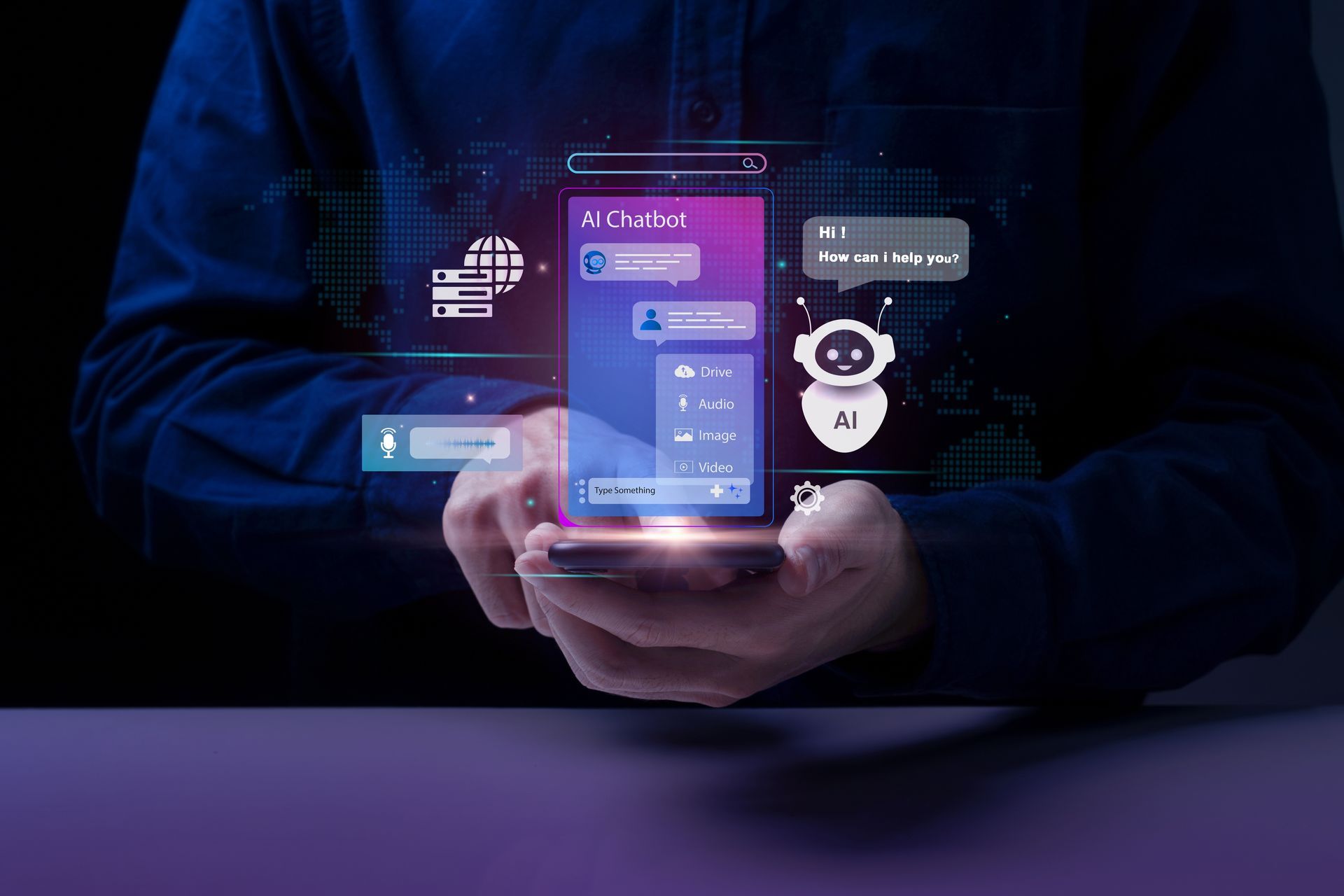
That is why AI-powered personalization is the website trend of 2026 that actually converts. Instead of showing every visitor the same headline, offer, or button, personalization adapts the experience to match what each person may need.
A first-time visitor might see a quick introduction to your business. A returning visitor might see a reminder to schedule a service. Someone who arrived from a local search might see location-specific information.
To put it simply, AI personalization helps your website feel more useful, relevant, and timely: without requiring your team to manually create a different experience for every person.
Relevance Wins
People are surrounded by generic marketing. They see broad ads, recycled messages, and websites that make them work too hard to find answers.
A personalized website cuts through that noise.
Research from McKinsey & Company found that 71% of consumers expect companies to deliver personalized interactions, while 76% become frustrated when those experiences do not happen. The same research found that fast-growing companies generate 40% more revenue from personalization than slower-growing companies.
That does not mean your business needs a complicated system that tracks every detail about every visitor. It means your website should respond to clear signals and make the customer journey easier.
AI-powered personalization can help you:
- Show more relevant content
- Guide visitors toward the right service or product
- Reduce decision fatigue
- Encourage more form submissions, calls, bookings, or purchases
- Create a smoother experience for returning visitors
- Learn which messages and offers perform best
The result is a website that works harder for your business.
What AI Personalization Means
AI-powered personalization uses artificial intelligence to adjust website content based on what a visitor is doing, what they may be interested in, and where they are in the buying journey.
That can include:
-
Adaptive content
Headlines, images, offers, and page sections can change based on visitor needs, location, referral source, or past activity. -
Smart calls to action
A first-time visitor may see “Learn More,” while someone who has already explored your services may see “Book a Consultation.” -
Tailored recommendations
Your website can suggest related products, service packages, blog posts, or next steps based on what a visitor has viewed. -
Helpful conversations
An AI assistant can answer common questions, direct visitors to the right page, or help qualify a potential lead before your team steps in.
According to Salesforce’s guide to AI personalization, AI can analyze browsing behavior, purchase patterns, and content engagement to help businesses understand what customers want and when they want it.
The goal is not to make your website feel robotic. The goal is to make it feel more thoughtful.
Three Ways to Use It

1. Adapt the Content
Your homepage is often the first impression your business makes. But not every visitor arrives with the same expectations.
A visitor from a search engine may need a clear explanation of your services. Someone arriving from a social media campaign may already be familiar with your brand and ready to explore an offer. A returning customer may want a shortcut to a booking form, menu, account area, or support page.
Adaptive content helps your site respond to those differences.
For example:
- A catering company could highlight corporate catering for visitors arriving from a business-related campaign.
- A restaurant could feature online ordering, reservations, or location details based on visitor intent.
- An educational institution could direct prospective students toward programs, deadlines, or campus information.
- A professional service firm could show different resources to new leads and returning prospects.
You do not need dozens of versions of every page. Start with one or two high-value areas, such as your homepage hero section, service page, or contact page.
The most effective personalization is often simple: the right message, shown at the right moment.
2. Make Calls to Action Smarter
A call to action tells visitors what to do next. When that button does not match their needs, people hesitate: or leave.
AI-powered personalization can help make calls to action more specific and useful.
Instead of using “Contact Us” everywhere, your website might show:
- “Get a Catering Quote”
- “Schedule a Website Review”
- “Explore Our Programs”
- “Find Your Nearest Location”
- “See Recommended Services”
- “Start Your Project”
The wording can also change based on where someone is in the decision-making process.
A first-time visitor may need a low-pressure next step, such as downloading a guide or viewing frequently asked questions. A returning visitor may be ready to schedule a call. A visitor who has viewed several service pages may benefit from a direct consultation offer.

Smart calls to action reduce friction. They help visitors answer the question, “What should I do next?” without forcing them to figure it out on their own.
3. Recommend the Right Next Step
Recommendations are not just for online stores.
An ecommerce website can recommend related products, bundles, or frequently purchased items. A service business can recommend the next logical service based on what someone has already explored.
For example:
- A landscaping company could recommend seasonal maintenance after someone views lawn installation.
- A marketing agency could suggest content marketing after a visitor reads about SEO.
- A medical practice could direct visitors from a general service page toward appointment scheduling.
- A consultant could recommend a beginner guide before presenting a more advanced package.

These recommendations make your website more helpful while naturally introducing visitors to additional ways you can serve them.
They can also increase engagement. When people see a relevant next step, they are more likely to keep exploring instead of returning to search results.
Start Small. Grow Smart.
AI personalization does not need to be overwhelming or expensive. The best approach for a small or medium-sized business is to begin with one focused goal.
Try this simple roadmap:
Step 1: Choose one conversion goal
Decide what you want more visitors to do:
- Submit a contact form
- Schedule an appointment
- Request a quote
- Place an order
- Call your business
- Sign up for email updates
A clear goal makes it easier to decide what should change on your website.
Step 2: Identify your most important visitors
Start with two or three audience groups, such as:
- New visitors
- Returning visitors
- Visitors from a specific location
- Visitors arriving from an advertisement
- Visitors who have viewed multiple service pages
You do not need to personalize everything. Focus on the groups most likely to become customers.
Step 3: Create a few tailored experiences
Prepare alternate headlines, offers, images, or calls to action for each group. Keep the changes useful and natural.
For example, a new visitor might see:
“Discover a better way to grow your business online.”
A returning visitor might see:
“Ready to take the next step? Let’s review your project.”
Both messages can remain consistent with your brand while speaking to different moments in the customer journey.
Step 4: Test and improve
Compare how the personalized experience performs against your standard website experience. Watch metrics such as:
- Conversion rate
- Form submissions
- Phone calls
- Appointment bookings
- Click-through rates
- Time spent on important pages
- Repeat visits
Personalization should support measurable business outcomes: not simply add another impressive feature to your website.
Keep It Human
The best AI personalization feels helpful, not invasive.
Be transparent about how you use customer information. Avoid using details that visitors did not knowingly provide. Give people choices when you collect information, and make sure your privacy policy is clear and easy to find.
You should also keep a human involved in the process. AI can help identify patterns and suggest improvements, but your team understands your customers, your brand, and your community. Review personalized messages regularly to ensure they sound warm, accurate, and on-brand.
As HubSpot explains in its guide to AI content personalization, personalization works best when it combines useful customer information with thoughtful content and ongoing measurement.
Technology should enhance the relationship: not replace it.
Build for Today. Prepare for Tomorrow.
AI-powered personalization is only one part of a future-ready website. Your content also needs to answer real customer questions clearly so your business can be discovered through search engines and emerging AI search tools.
At Olive Street Design, we build custom Duda-powered websites that combine polished design with strong functionality. We also provide SEO optimization, content marketing, and brand identity services to help your business create a consistent, discoverable, and engaging online presence.
With more than 3,500 Duda sites launched, 97 awards and counting, and 20+ years of expertise, our team knows how to create websites that perform today and stay ready for what comes next.
Personalization is not about making your website complicated. It is about making every interaction more relevant.
When your website gives visitors the right message, the right recommendation, and the right next step, more of them are likely to take action.
Ready to create a website that connects with your customers and converts with confidence? Let’s start your project.
The body content of your post goes here. To edit this text, click on it and delete this default text and start typing your own or paste your own from a different source.